Blog / Fabric sample approval
Heated Blanket Fabric Samples: A Buyer Approval Checklist
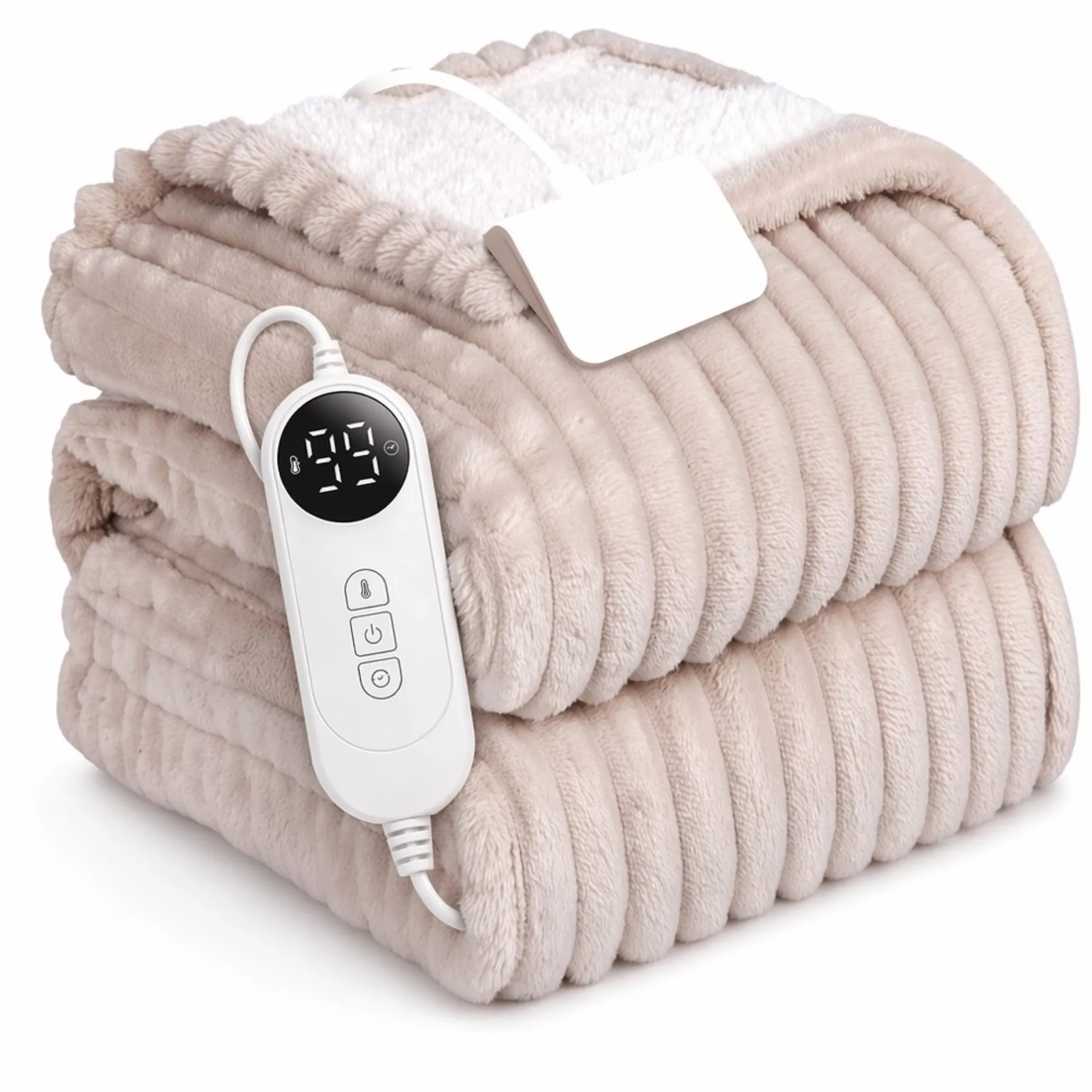
To approve fabric for a private label heated blanket, agree a physical reference, identify the proposed material, compare color and handfeel under agreed conditions, and record what the approval covers. Then review the finished product separately. A fabric swatch helps select appearance; it does not approve the complete electrical appliance.
For retail buyers and importers, “soft grey fleece” leaves too much open to interpretation. A usable sample brief connects your preferred appearance to a named product reference and a versioned approval record. The following workflow is a purchasing checklist you can adapt with your supplier, rather than a claim that every supplier uses the same process.
1. State which decision the sample should support
Separate an initial fabric selection from a color submission and from a finished-product approval. A stock swatch may help narrow your assortment. A color submission lets you compare a proposed shade against a reference. A finished sample shows the selected textiles together with binding, seams, labels and the proposed product configuration.
Ask the supplier to identify the purpose of each submission before it ships. Record the catalog reference, intended market, face and reverse materials, proposed color and sample revision. If you are still selecting a model, start with the heated throw collection and note which references you want to discuss.
2. Replace broad material names with comparable details
Terms such as flannel, sherpa and plush describe a general appearance or construction, but they are not a complete purchase specification. Request the supplier’s declared fiber composition, construction description and fabric mass per unit area where relevant. State whether a value refers to one layer or the assembled product so that quotations can be compared on the same basis.
For a two-sided throw, identify both sides independently. Include the desired pile appearance, surface direction, backing color and edge treatment in the brief. Record which details are essential and where equivalent proposals are welcome. The sherpa and flannel selection guide can help with assortment choices; the sample record should capture the actual material proposed for your order.
| Decision | Record in the brief | Keep with the approval |
|---|---|---|
| Identity | Product reference, fabric code and submission revision | Supplier identification and dated sample label |
| Color | Physical target and agreed viewing conditions | Selected submission and comments on differences |
| Handfeel | Named comparison sample and specific preferences | Retained swatch and written observations |
| Construction | Face, reverse, pile direction and binding | Material description and finished-sample photographs |
| Release scope | Approved items and unresolved questions | Decision owner, date and required follow-up |
3. Make color approval more precise than a screen image
Use photographs to explain the direction you want, then agree the physical color reference that will govern approval. Identify its code or sample number and make sure both parties can access the same reference. When comparing submissions, agree the viewing conditions and keep the comparison consistent rather than approving one swatch in an office and another from a phone photograph.
AATCC EP9 provides a framework for assessing textile shade differences against a reference by sight. Buyers who require a formal assessment should agree the applicable procedure and acceptance criteria with the supplier or laboratory. Mentioning the procedure does not establish that a particular sample has been tested or passed.
If instrumental color data is requested, agree the measurement conditions, reporting format and acceptance limit before reviewing results. Avoid importing a numerical threshold from an unrelated product. A matching color name alone is not a substitute for a shared reference and an agreed decision.
4. Describe handfeel with a comparison sample
Instead of writing only “premium soft,” identify what you prefer about the reference: a smoother face, fuller pile, lighter drape or less bulky reverse. Ask the supplier to respond against those specific observations. Keep commercial preferences separate from measurable requirements so a descriptive comment does not accidentally become an undefined acceptance test.
AATCC lists separate evaluation procedures for fabric hand and color assessment. This distinction is useful when organizing a brief: appearance, touch and color need their own review records. If a formal method is required, agree its scope separately rather than treating informal handling as a test report.
5. Review the fabric on the finished product
Once a textile combination is shortlisted, inspect how it looks on the proposed finished sample. Review the relationship between face and reverse, binding appearance, seam presentation, label placement and connector area. Confirm that the sample identification matches the model under discussion. A loose swatch cannot show all of these assembly details.
Ask which material and configuration the quotation includes, and what changes would require further review. If a different fabric is proposed later, request its effect on the agreed specification and supporting documentation before accepting it. Approval of color and handfeel should remain distinct from approval of electrical performance, care instructions or market-specific documents.
6. Seal a reference and close the remaining questions
Keep a retained sample with a unique identifier, approval date and written scope. Where practical, buyer and supplier should retain corresponding references. Store the fabric description, comments and finished-sample record together so that a later reorder can be checked against the same decision rather than against an old photograph.
Use clear outcomes: approved for the stated scope, revision requested, or pending information. For a conditional decision, name the unresolved point and who must close it before the order is released. Note whether the sample is a stock reference or a submission intended for the project. This prevents an early selection from being mistaken for final production approval.
Buyer questions
Can we start with a reference photograph?
Yes. A photograph is useful for explaining the desired look. Include a catalog reference and ask what physical swatches or finished samples can be proposed before making a final material decision.
Does fabric approval confirm washing or durability claims?
No. Define those requirements separately and request evidence for the relevant material or finished assembly. Do not infer a care instruction or performance claim from a soft feel or a shade match.
What should we send in a first sample inquiry?
Send the product reference, destination, preferred face and reverse, target color and estimated quantity if known. Describe your reference sample or image. Cozynest can discuss available proposals; material options, sample arrangements and final specifications are confirmed for the selected project.