Blog / Controller specifications
Heated Blanket Controllers: A Buyer Specification Checklist
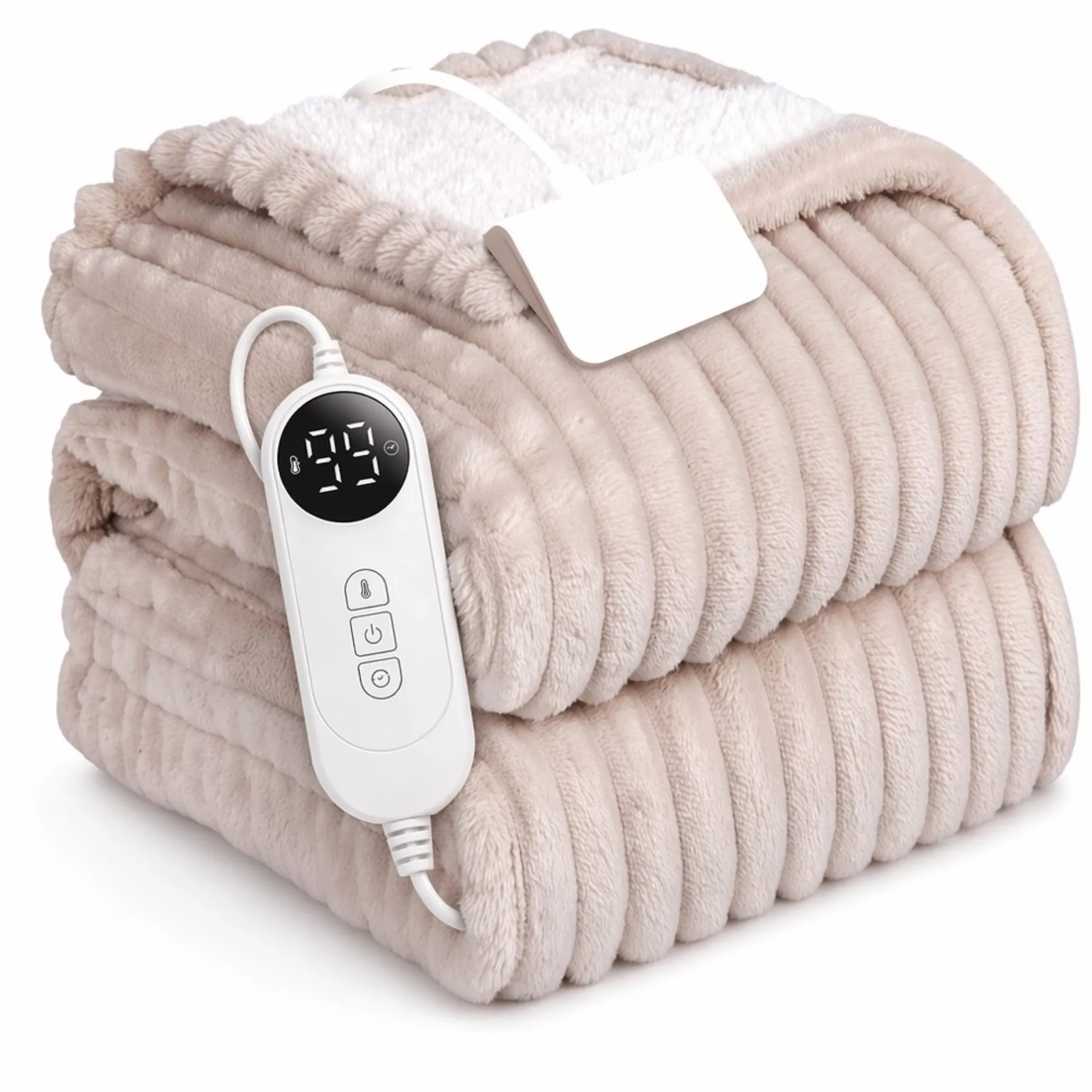
Specify a heated blanket controller as part of the complete product, not as a standalone accessory selected by appearance. For a private label brief, record the approved blanket-and-controller pairing, user interface, documented operating behavior, cable arrangement and evidence to review before releasing the sample.
This checklist is for retail brands and sourcing teams comparing proposed configurations. It helps organize a discussion with the supplier; it is not an electrical design guide, a substitute for testing or permission to connect different controllers and blankets.
1. Identify the complete configuration first
Start with the product category, catalog reference, formal model number and intended destination. Ask the supplier to identify the controller supplied with that specific assembly, including any component identifier or revision used in its records. Keep a photograph of the label and interface with the approved sample file.
A similar enclosure, connector shape or button layout does not establish compatibility. Do not request a substitution solely because two controllers look alike. For any proposed change, ask the responsible technical team to confirm the matching configuration and whether the sample information, instructions and evidence need updating.
The IEC product description for IEC 60335-2-17:2022 with Amendment 1:2026 includes control units supplied with the flexible heating appliance within its stated scope. This is useful context for reviewing the assembly together; it does not establish which edition or conformity route applies to a particular order or destination.
2. Turn interface preferences into a comparison sheet
Instead of requesting “a better digital controller,” list the decisions that affect the buyer’s assortment. Separate features you require from alternatives you are willing to consider. Ask the supplier to mark each item as available for the quoted configuration, subject to development or not offered.
| Area | What the buyer should specify | Evidence or sample detail to request |
|---|---|---|
| Product pairing | Blanket reference, formal model and intended market | Matched controller identification and configuration record |
| Display and buttons | Preferred layout, language and readability needs | Actual sample and matching instruction artwork |
| Heat settings | Required selection options and how they are described | Documented behavior for the proposed assembly |
| Timer | Available selections and intended descriptions | Confirmed timing behavior and applicable technical review |
| Cord arrangement | Desired exit side, placement and length definition | Dimensioned sample arrangement and component information |
| Changes | Which features are essential versus optional | Written scope, schedule and evidence implications |
Use this sheet when comparing heated throw references. A controller option mentioned during an initial conversation is not automatically included in every catalog item. The quotation and approved sample should identify the chosen option explicitly.
3. Define setting labels without inventing performance claims
Agree what the display communicates. A setting number is not, by itself, a measured fabric temperature. If retail artwork will make a temperature or heating-performance claim, ask for the relevant measurement basis and supporting evidence for the exact product. Do not derive a temperature claim from the number of settings or a reference photograph.
Confirm the initial selection, adjustment sequence and the behavior described in the instructions. Keep marketing wording aligned with what the responsible technical team has approved. If the supplier cannot yet confirm a requested feature, leave it open in the brief rather than filling the gap with wording from another listing.
4. Describe timer behavior precisely
“Auto-off” can leave important purchasing questions unanswered. Ask which timing choices are provided, how a selection is shown and what the documented sequence is at the end of that period. Confirm the instructions covering any restart or interruption behavior with the supplier’s technical team.
Do not turn a timer feature into a blanket claim that the product is safe for every use condition. Any permitted-use statement needs to agree with the exact model’s instructions and evidence. Buyers should not improvise fault tests, bypass controls or use repeated resets to evaluate a sample; technical validation belongs with appropriately qualified personnel.
5. Review placement and cord dimensions on the actual product
Discuss where the customer is expected to reach the controller and how the product will be shown in retail photographs. Request a sample arrangement that identifies the connector position, cable exit and the segments included in each stated cord length. Keep these definitions consistent across the quotation and specification sheet.
If the range has different textile dimensions or product formats, confirm the arrangement separately for each configuration. A controller layout proposed for a sofa throw should not simply be assumed suitable for a different blanket or pad. Packaging also needs room for the approved components; revisit the packaging approval record if their dimensions or packing positions change.
6. Keep the model, controller and documents connected
Ask which files identify the quoted product and its proposed configuration. Record the relationship between the commercial reference, formal model and supplied controller. Review the published document scope before relying on any file: a supplier name, product image or emissions document alone does not establish complete electrical safety approval.
Traceability matters beyond the first order. In its 2023 Bedsure blanket and pad recall notice, CPSC identified locations for model information on both the product and controller. That notice concerns those recalled products, not Cozynest; it illustrates why a buyer’s records should retain exact identifiers rather than relying on a lifestyle image.
7. Record approval and control later substitutions
Before approving bulk production, keep the selected controller identifier, sample revision, interface photographs, instruction revision and open questions in one release record. Name the person responsible for closing each outstanding item. A signed sample and a written specification work best when they describe the same configuration.
If the supplier proposes a later controller change, request its scope and the implications for operation, labeling, documents and packaging before accepting it. An unchanged brand logo is not evidence of an unchanged product. Confirm which version the new order will use rather than assuming the previous sample still describes it.
Buyer questions
Can I choose a controller from a photo?
A photo can communicate a preferred layout, but it cannot confirm compatibility, performance or document coverage. Ask the supplier to propose a matched configuration and identify what remains to be reviewed.
Should I require a fixed number of settings on every product?
Start with the user experience and assortment needs, then ask which options can be quoted for each model. Do not promise a range-wide feature until its availability and evidence have been confirmed.
What is enough for the first inquiry?
Send a product reference, destination and your essential interface or timer preferences. Add quantity when known. Cozynest can discuss controller requirements against the selected product; feasibility, sample arrangements and final specifications are confirmed for the project.