Blog / Packaging approval
Private Label Heated Blanket Packaging: Approval Checklist
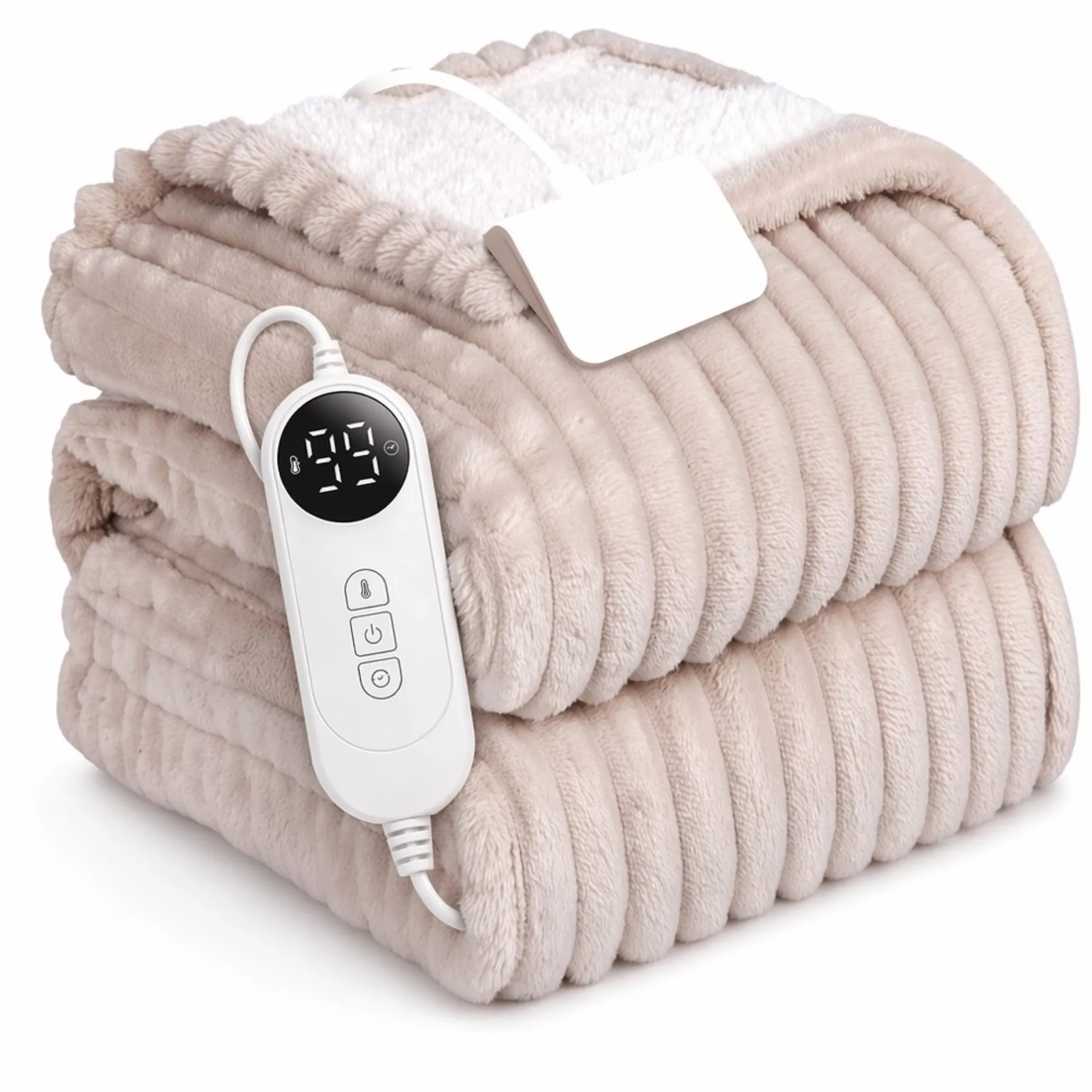
Before approving private label heated blanket packaging, match one sellable item to one agreed product specification, artwork revision, accessory set and packing arrangement. A good-looking box is only one part of approval: the contents, printed information and receiving details must agree.
This checklist is for buyers preparing an OEM retail program. It focuses on the packaging approval process rather than prescribing electrical ratings, mandatory warnings or a universal carton specification. Those details depend on the quoted model, destination and sales channel.
1. Freeze the sellable item before releasing artwork
Begin with a specification sheet that identifies the catalog reference, formal model number, fabric, color, finished dimensions, controller and intended market. Treat this as the identity record for the pack. A photo of a cream blanket does not establish which controller, size or electrical configuration will arrive inside the box.
For example, a buyer comparing the listed heated throw references might start with a 50 × 60 in flannel-and-sherpa style. The retail pack still needs to match the final approved sample. Do not copy dimensions, care statements or control settings from a similar-looking reference.
Use a separate record when a proposed change affects the item offered to the customer. Ask the brand’s product-data owner to check the identification consequences before printing. GS1 explains that product variations such as size and color need distinct GTIN identification; apply the relevant rules to the actual assortment rather than reusing a number because the packaging looks similar. GS1 guidance on product variations.
2. Give each packaging component an owner
Agree who supplies and approves each component. The buyer may control the logo and product data, while the supplier prepares a box layout and packing sample. A printer may generate a proof. Name the final approver so an attractive draft is not mistaken for an instruction to print.
| Component | Record before approval | Review against |
|---|---|---|
| Retail box or sleeve | Item code, artwork revision, dimensions and finish | Actual packed sample and brand layout |
| Brand and care labels | Placement, wording, material and revision | Approved model information and validated care instructions |
| Controller and accessories | Exact included parts and their packing positions | Approved sample and accessory list |
| Instructions | Model, language, revision and page count | Actual controls and destination review |
| Outer carton | Pack quantity, carton dimensions, marks and weight basis | Packing trial and receiving requirements |
Keep an editable master and an approved print file separate. A useful approval message identifies the filename, revision, item code and date, and states which components are released. Avoid a short “looks good” reply attached to an email thread containing several versions.
3. Review the barcode on the finished pack
A barcode that looks readable on a screen may behave differently after printing, folding or wrapping. Check the printed pack rather than relying only on the artwork PDF. GS1’s quality checklist includes symbol size, quiet zones and packaging features that interfere with scanning. Leave the symbol’s required clear areas intact and ask the responsible printer or barcode specialist to review the chosen application. GS1 barcode quality checklist.
Record the number encoded and compare it with the buyer’s item master. Then check the physical location: can the symbol be accessed after the pack is closed, and will folds, labels or sealing materials cover it? Do not invent a generic barcode size for every carton or sales channel. A successful scan on one device is also not a substitute for any barcode verification the buyer requires.
4. Run a complete product-in-box trial
Ask for a packed sample using the proposed blanket fold, controller, cable, instructions and inserts. Review how the contents fit together, whether the box closes as intended, and whether removing the product is straightforward. Confirm the arrangement in photographs or an approved packing instruction so another operator can repeat it.
Check the accessory count explicitly. If the controller, cord or instruction booklet changes, revisit the packing arrangement instead of assuming the original space allowance remains suitable. Where cleaning information describes removable parts, make sure it matches the actual assembly. A packaging review does not validate the cleaning claim itself.
For a US or Canadian retail program, send the relevant retailer instructions alongside the product brief. This helps separate brand artwork preferences from receiving and product-document requirements. Do not treat one destination’s approved pack as approval for every market.
5. Confirm cartons from the packing trial
Specify the proposed number of retail units per carton, then confirm dimensions and gross weight from the agreed packing arrangement. Distinguish a preliminary estimate from a measured packed result. Extra inserts, a different fold or a larger controller compartment can change the carton plan.
Ask the receiving team which item identifiers, quantity information and shipment marks it needs. Keep the retail item record, carton marks and shipping documents consistent. Transport testing, inspection criteria and freight arrangements should be agreed separately; neither an attractive retail box nor this checklist proves transport performance.
6. Release a controlled sample, not an unfinished conversation
Close the review with a short release record: product specification revision, packaging filenames, approved sample identification, outstanding issues and named approval owners. If one component remains open, make the boundary explicit. For example, approving the retail-box layout does not automatically approve a revised instruction booklet.
Request a new review when the product configuration, printed claim or packing arrangement changes. Keep previous files identifiable as superseded. This is a practical way to prevent production or purchasing teams from selecting different “final” files.
Questions buyers often ask
Can I ask for a quotation before artwork is complete?
Yes. Describe the intended packaging and identify what is still undecided. Ask the supplier to state the assumptions behind its quotation. Release final printing only after the required specification and artwork checks are complete.
Can I copy certification logos from a reference image?
Do not approve a mark simply because it appears in a supplier image. Review the evidence and permitted use for the exact product configuration. Cozynest’s published document page explains the scope and limitations of the available files; catalog references and formal report models require matching.
What should I send to begin a packaging discussion?
Send the product reference, target market, approximate quantity and whether you need a retail box, sleeve or another format. Add your brand assets, proposed barcode data and retailer instructions when available. Detailed artwork can follow the first model review.
Discuss your private label packaging brief
Compare the product catalog, choose a reference and tell us which packaging components you need to review. Cozynest can discuss buyer labels and retail packaging against the selected product. Sample arrangements, price and production timing are confirmed for the project.