
Model and intended use
Define the product, end user, use setting and electrical specification before confirming test expectations.
Private label heated blankets
For US and Canadian retail programs, align intended use, electrical and thermal test expectations, traceability, labels, packaging and retailer specifications before production.
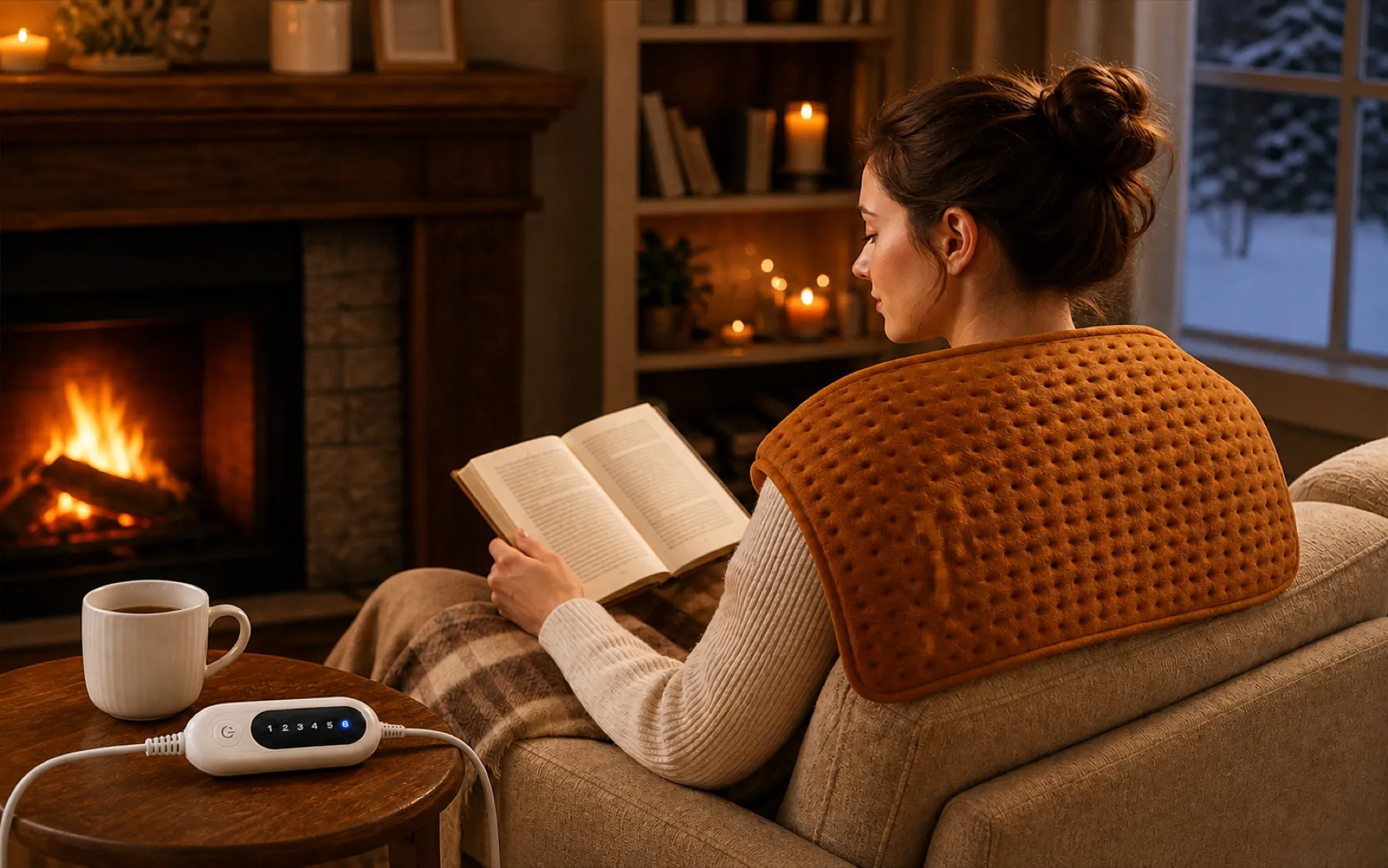
Electric blanket supplier for US brands
US and Canadian programs can differ by electrical requirements, listing or testing route, instructions, retailer specifications, languages, packaging and importer responsibilities. Share the exact countries and channels rather than treating North America as one interchangeable brief. Keep the private label heated blanket program separate from any European retail program because labels, documents and operators may differ.
Define the product, end user, use setting and electrical specification before confirming test expectations.
Send the buyer's required standards, lab or listing route for review against the exact model.
Share packaging, barcode, carton, fulfillment and vendor-manual requirements before artwork approval.
Align model and batch identification, importer information and issue-escalation contacts.
Wholesale heated blankets
Buyers should review electrical and thermal checks, instructions, warnings, traceability, packaging and the model-specific testing or listing route. Consumer recalls show why safety evidence must be linked to the exact product rather than inferred from a category or supplier statement. If the range includes pet-use products, build a separate pet heating pad manufacturer brief for intended use, cable design and labeling.
Include the target width and length, intended bed fit, heated area and cable exit position. King size, queen size and twin are retail size labels, not sufficient manufacturing dimensions. A dual control request should also identify the intended zones and user controls for model-specific feasibility review.
Keep the size, control arrangement and electrical brief together in the sample file. These are specifications to confirm, not a statement that every size or control combination is stocked.
Low voltage describes an electrical design choice; low EMF needs a defined measurement method and supporting results. Neither claim should be inferred from an FCC SDoC document. Ask for the evidence applicable to the exact controller, supply and heating configuration.
A machine washable claim needs model-specific care instructions and supporting validation. Confirm which parts may be washed, which must be removed and the permitted cleaning process before approving the label. No common wash instruction is assumed for all products.
The supplied FCC SDoC document set addresses emissions. SDoC and certification are distinct authorization procedures, as explained in the FCC equipment authorization notice. Electrical safety and any buyer-required listing remain separate reviews.
Use the electric blanket safety questions when reviewing permitted use, care instructions, control functions and applicable notices for a US or Canadian retail brief.
Keep energy claims specific: the running-cost and use-case comparison distinguishes warming a person from heating a room. Its illustrative inputs are not model ratings or current US or Canadian electricity rates.
North America buyer FAQ
Include product format, intended use, electrical specification, retailer or marketplace, estimated quantity, testing or listing expectations, labels, packaging and target launch window.
Buyer labeling, packaging and design service are available. Send the vendor manual, artwork, barcode, carton and fulfillment rules so the exact scope can be reviewed.
No assumption should be made. Confirm each destination, language, electrical and testing requirement, importer role and retail channel before finalizing the model and packaging files.
Share the inspection standard, timing and access requirements before the purchase order. The inspection plan and availability should be confirmed for the specific project.
No range-wide claim is made. Request the applicable measurements and validated care instructions for the exact model, and keep approved claims aligned with the sample and retail packaging.
No. The supplied document addresses emissions, not a UL or ETL safety approval. Send the retailer requirements and exact model for certification-support review before committing to the order.
MOQ is 500+ pieces. Include the product reference, destination market, dimensions, controls and packaging requirements in your RFQ.
Sample arrangements and timing are discussed individually for each project. Share the product reference and required changes so the sample brief can be agreed.
The delivery lead time is 15-20 days. Confirm the delivery terms and schedule for your order in the quotation.
Quality planning
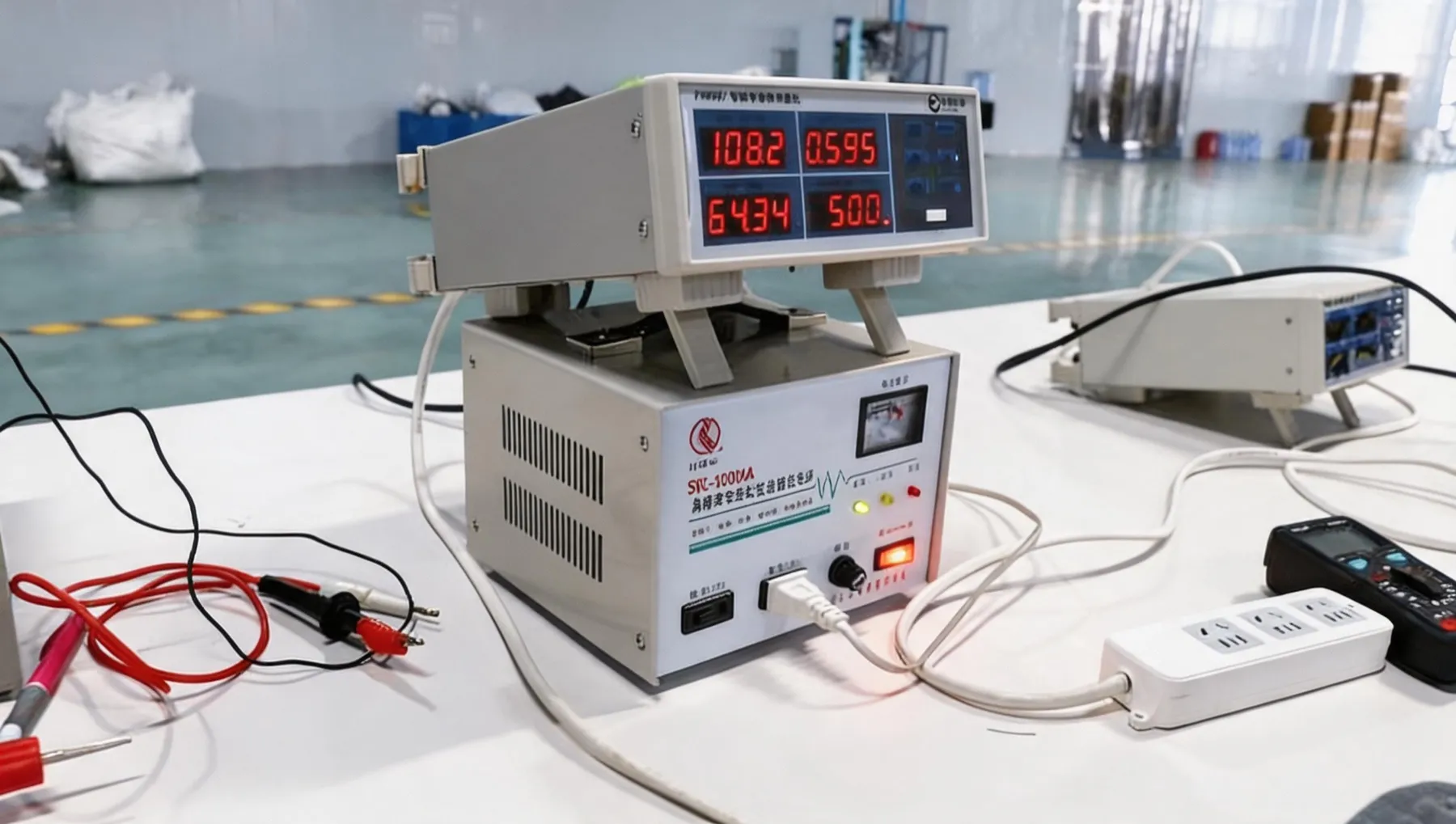
Align the model, approved reference, production checks and retailer requirements before the bulk order.
Send the destination, model, quantity and retailer checklist for review.